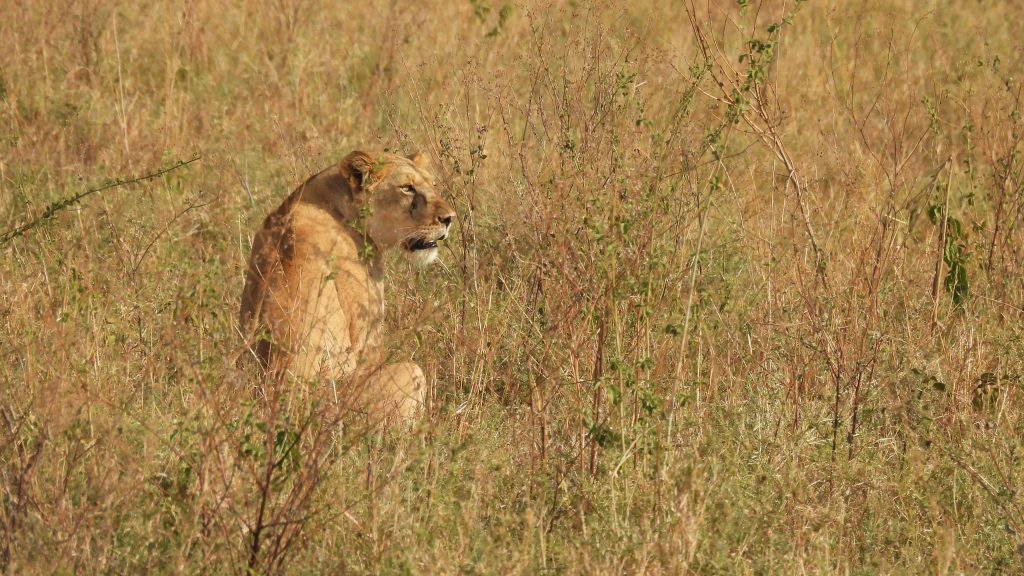
The Central Serengeti is one of the best places in Africa to watch predators. Its open grasslands, scattered acacias and rocky outcrops support large numbers of grazing animals throughout the year, and where there is prey, there are hunters. Driving through this landscape in the soft morning light, I learned to scan every tree and every patch of tall grass.
Lions, cheetahs and hyenas
Lions were the first to show themselves—a pride resting in the shade after a night of activity, barely lifting their heads as we passed. Later I photographed a cheetah scanning the plains from a low mound, and hyenas moving with purpose across the grass. Each species uses the landscape differently, and watching them taught me more about the Serengeti than any guidebook.
A leopard in the acacia
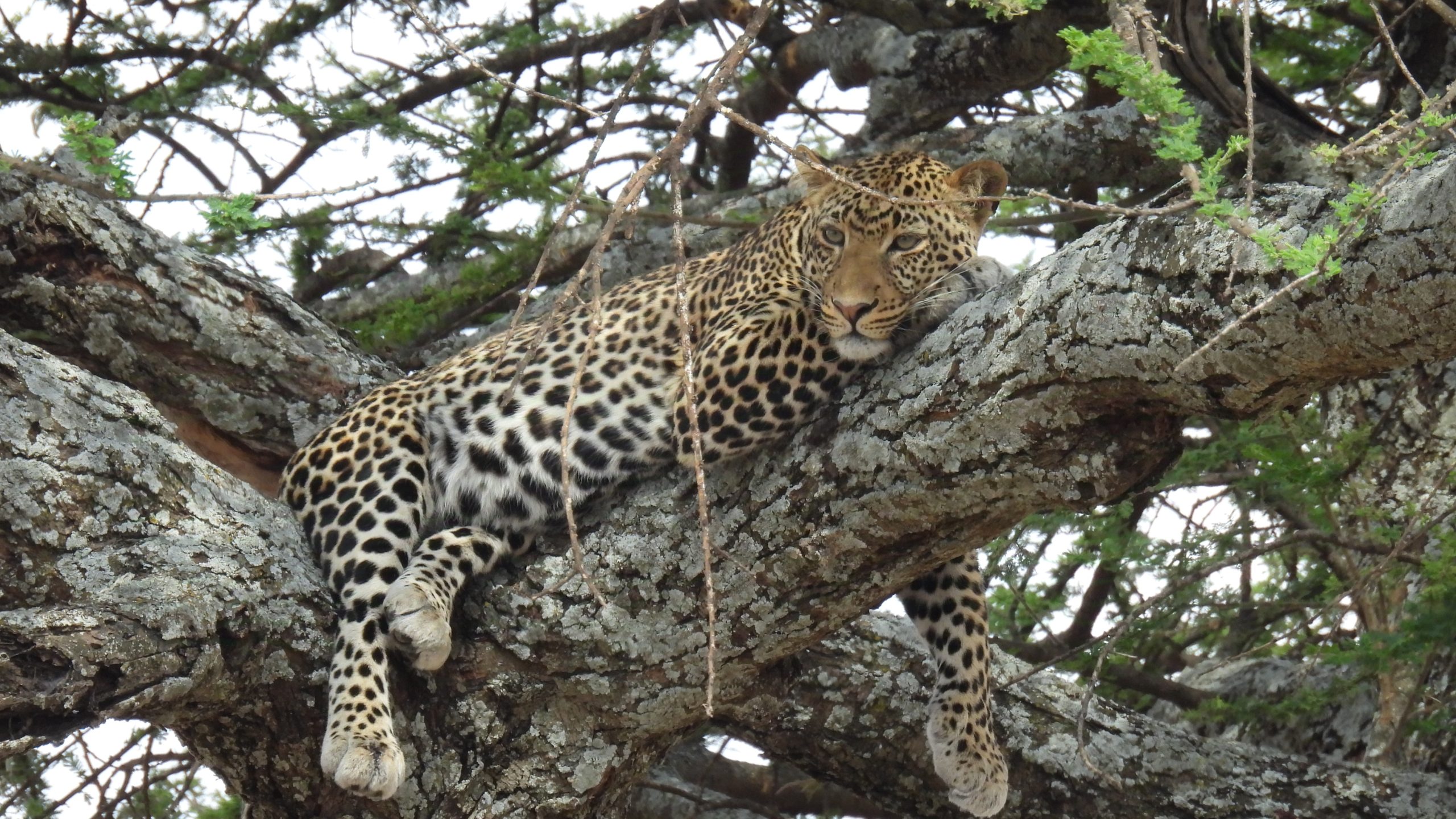
Leopards are the hardest of the big cats to find. They are solitary, mostly active at night, and spend much of the day hidden. So when our guide stopped the vehicle and pointed at an acacia, it took me a while to see what he had spotted: a leopard draped along a branch, legs hanging down on either side, perfectly relaxed.
It is a strange feeling to be watched so calmly by an animal you have spent days searching for.
We stayed with it for a long time, engine off, until it shifted position and disappeared further into the canopy. Moments like this are why I insist on unhurried game drives and experienced local guides: finding a leopard is rarely about speed, and almost always about knowing where to look.
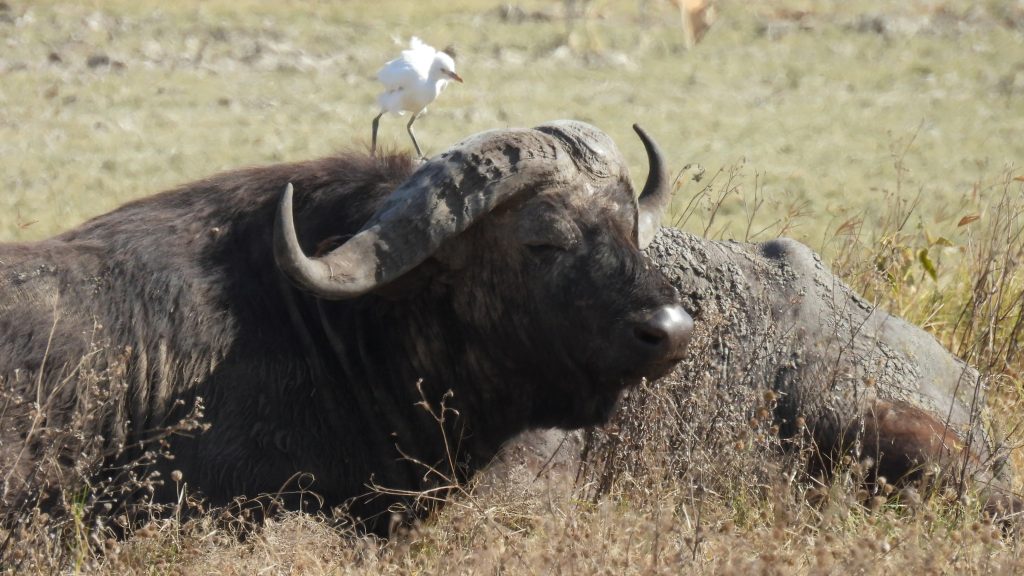
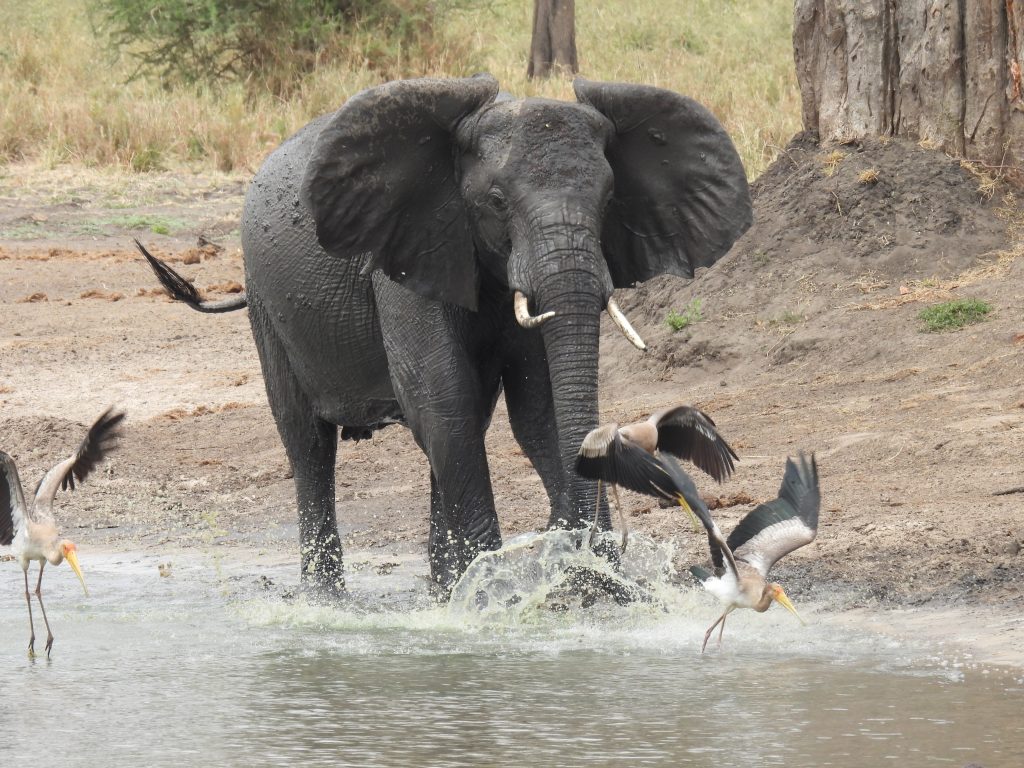
Predators are only part of the story. Buffalo, hippos in the rivers, and the endless herds of grazers are what make the Serengeti work—and what make every drive unpredictable. Sightings can never be guaranteed, but in the Central Serengeti, the odds are as good as they get.